Itadakimasu and the Art of Humble Receiving
Kai ·October 17, 2026

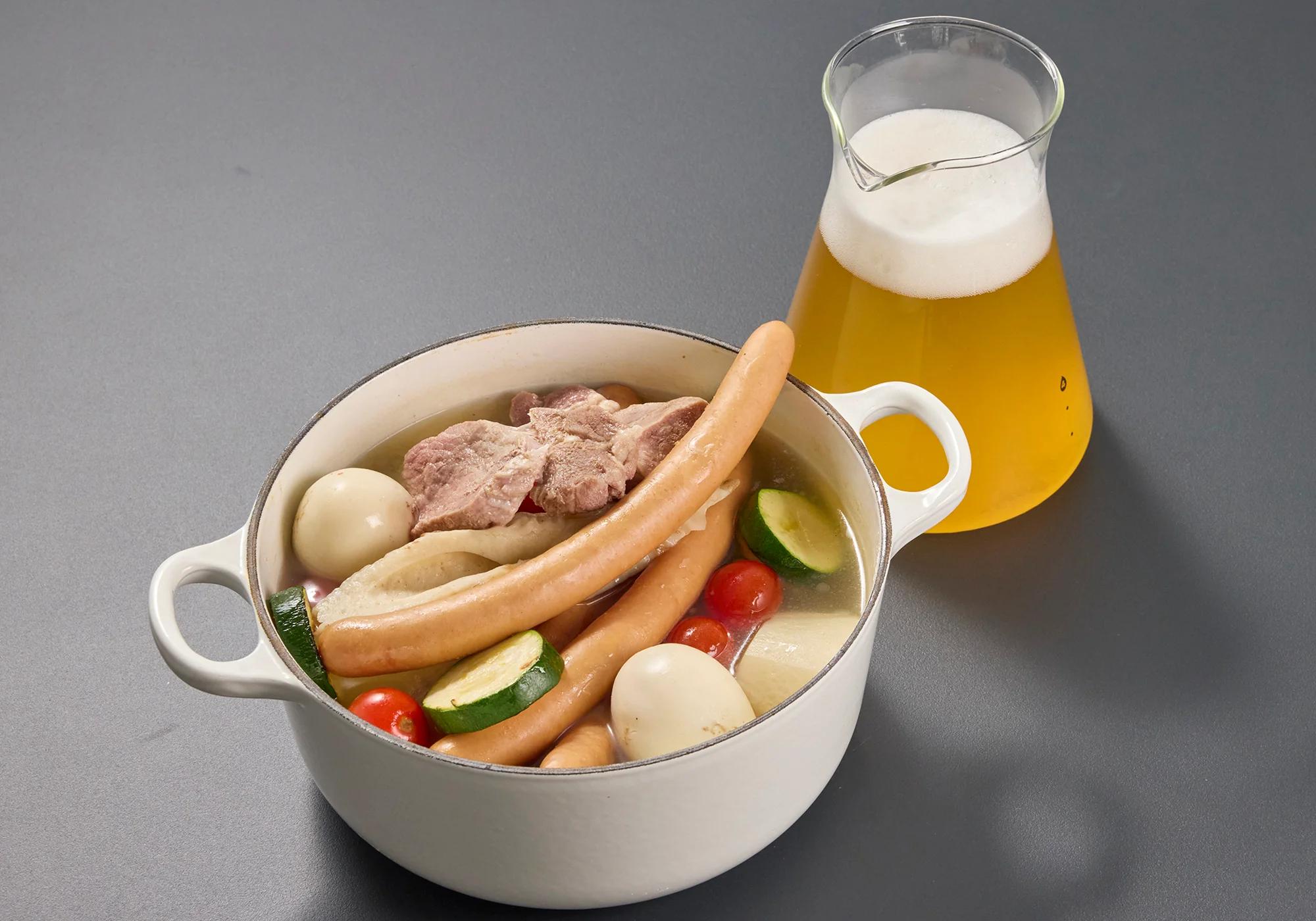
Itadakimasu is a single word, yet it carries the weight of centuries. You sit down at the table, feel the warmth rising from the bowl, notice the faint aroma drifting upward, clasp your hands together, and speak a phrase that gently shifts your relationship with what you are about to receive. The word comes from the verb itadaku, which means to humbly receive. In earlier eras, receiving an item of great value involved lifting it toward the crown of one’s head, a gesture rooted in Buddhist ritual and courtly etiquette where the top of the head was regarded as the most honored point of the body. That physical act faded over time, but its spirit remains in the modern phrase, acknowledging that a meal has been provided to you with care. While North America gathers once a year to celebrate Thanksgiving, people in Japan practice this micro ritual of gratitude before every single meal, whether in homes, restaurants, school cafeterias, or company dining halls. Itadakimasu is one of the most visible and most meaningful everyday practices in Japanese life.
The gesture is simple, but the meaning operates on multiple layers. At its heart, it is an acknowledgment of human effort. You are accepting something that required labor, time, and care from someone else. When speaking to a chef, you recognize the hours spent preparing ingredients, refining techniques, and shaping flavors. When speaking to a mother, you acknowledge the care behind every chop, simmer, and stir. When speaking to a spouse, you honor the time they gave you, time they could have spent elsewhere. These small moments turn a routine meal into a shared human experience rather than a cold transaction.
This spirit extends far beyond the dinner table. Japan is a culture where receiving in general is treated with deliberate care. When someone hands you money, you take it with both hands. You do the same when accepting a business card, and before putting it away you stop to look at it attentively. When receiving a wrapped gift, you take a moment to appreciate the presentation before opening it. These gestures are not empty formalities, but expressions of respect. Itadakimasu belongs to this same family of physical habits, serving as a way of saying that you see the effort behind what is given and refuse to take the person in front of you for granted.
Beneath this social etiquette lies a deep cultural memory of scarcity. For centuries, food was not guaranteed. Harvests depended on unpredictable weather and rugged topography, fishing was dangerous, and rice was precious enough to be taxed as currency. In those conditions, gratitude was not polite etiquette, but a recognition of reality. Every bowl of rice represented survival. Even today, when twenty four hour convenience stores line every corner and supermarkets are filled with abundance, itadakimasu carries that historical memory forward. It reminds us that comfort is fragile and should never be taken for granted.
Furthermore, the philosophical roots of the phrase reach into Buddhist thought and the concept of interconnectedness. Itadakimasu is not only an expression of thanks to human labor, including farmers, fishermen, truck drivers, factory workers, and cooks, but also an acknowledgment of life itself. It recognizes that eating is an act of receiving life from plants and animals to sustain our own existence. In a single breath, itadakimasu gathers that entire chain of existence into one moment of reflection.
Traditions like this survive because they give shape and rhythm to daily life. In a modern world where meals are often eaten while scrolling on a phone or rushing between meetings, itadakimasu forces a brief, intentional pause. It invites you to notice the aroma rising from the plate, the warmth of the bowl, and the simple fact that someone made this possible. It turns eating into an act of gratitude rather than mere consumption.
Saying itadakimasu also connects you to generations past. Your grandparents said it. Their grandparents said it. People spoke these same words in wooden farmhouses, in coastal fishing villages, in mountain towns, in cramped postwar kitchens, and in the bright modern apartments of today. The phrase has crossed eras of scarcity and eras of abundance, surviving rapid changes in technology, lifestyle, and pace. It is not pointlessly old fashioned, but deeply necessary. In that single word, you acknowledge the past, honor the present, and give thanks for what you have received, one meal at a time.
This article was created with assistance from AI and edited by a human