JR Central Adds Second Overnight Run of the Tokaidō Lumière Express
Kai·August 29, 2026
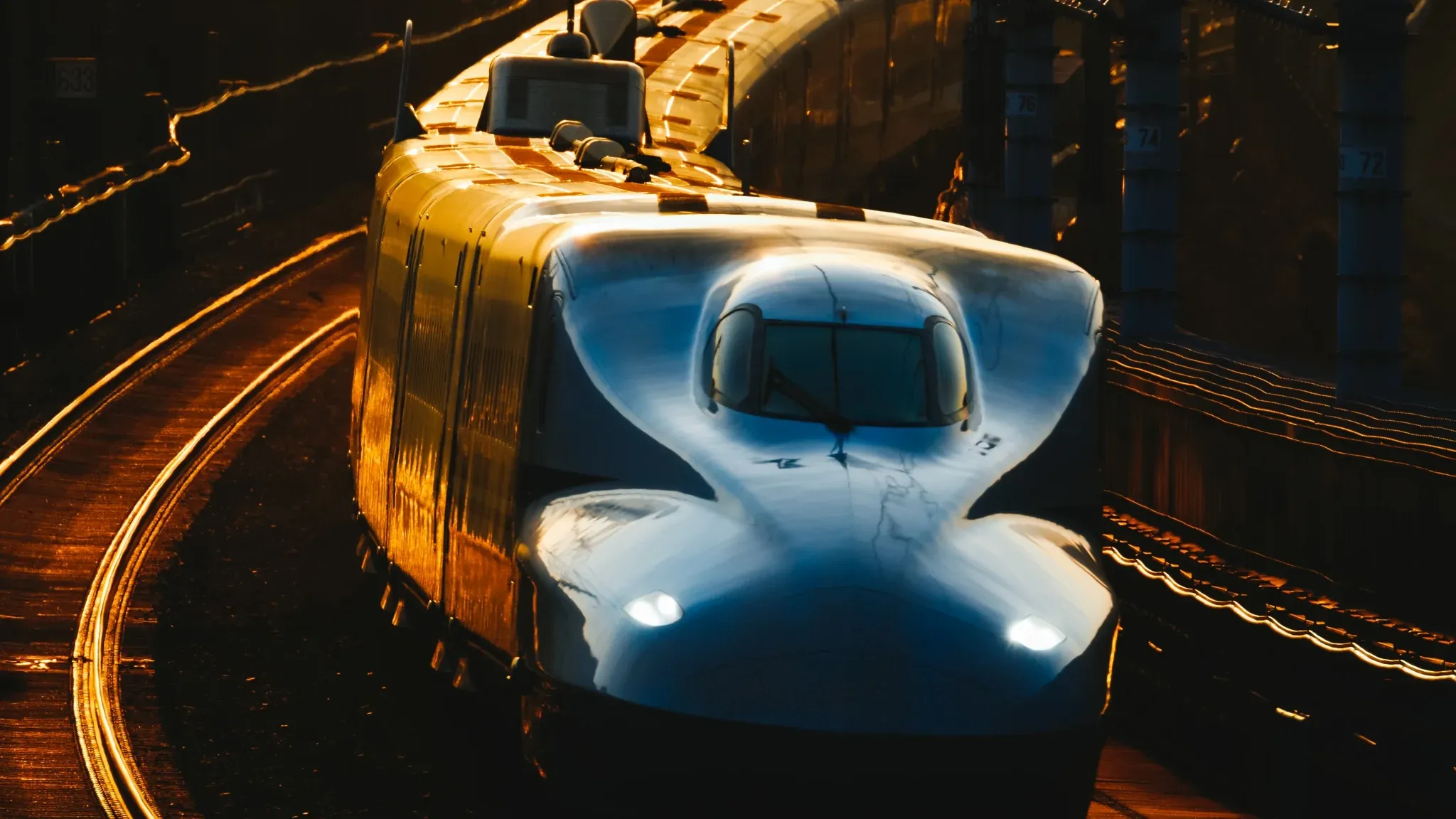
JR Central will run its first overnight Shinkansen for a second time in September, after the debut service sold out within two days. The Tokaidō Lumière Express returns on September 22 to 23, 2026, this time traveling northbound from Shin-Osaka, Kyoto, and Nagoya toward Tokyo. The announcement turns a one-off experiment into the early sign of a possible new travel option.
The second run departs Shin-Osaka at 22:03, leaves Kyoto at 22:18, and Nagoya at 22:54. It arrives at Shin-Yokohama at 6:35, Shinagawa at 6:47, and Tokyo at 6:54 the following morning. Boarding is limited to Shin-Osaka, Kyoto, and Nagoya, while passengers can alight only at Shin-Yokohama, Shinagawa, and Tokyo. Nagoya, which was skipped entirely on the first run, can now be used for boarding.
Fares vary by departure point. From Shin-Osaka, an ordinary reserved seat costs 17,000 yen and a Green Car seat costs 23,000 yen. From Kyoto, the prices are 16,000 yen for ordinary and 21,500 yen for Green Car. From Nagoya, they are 13,500 yen and 19,000 yen. This time the ordinary car sells A, C, and E seats and the Green Car sells A and D seats, offering more seats than the first run. No women-only car is provided for this trip.
The service’s defining feature is not speed but stillness. Because the Shinkansen does not run between midnight and around 6:00 out of consideration for noise, the train parks through the night instead of racing through it. On the northbound run, it stops for about six hours at Shin-Fuji Station, from midnight until around 6:00. The first run had stopped at Gifu-Hashima; the choice of Shin-Fuji reflects the reversed direction.
During the stop, the doors open for about 30 minutes after arrival and again before departure. Guided by station staff, passengers may use only the vending machines and the smoking area inside the ticket gates. They cannot exit the gates, and the station shops and onboard sales do not operate. Vending machine stock may run out, so passengers are advised to buy drinks and snacks before boarding.
Even Green Car passengers will notice differences from daytime service. The Tokaidō Shinkansen Mobile Ordering Service is unavailable, and no hot towels are provided. Instead, every paying passenger, regardless of age, receives a small comfort kit with an eye mask, slippers, and a shoe deodorizer and dryer. The train is smoke-free throughout, including the decks and restrooms, and the interior lights stay on all night.
Because maintenance work continues around the parked train, passengers should expect some noise and vibration during the night. JR Central also notes that media representatives may conduct limited interviews at Shin-Fuji, and passengers may appear in photographs or video at that time.
The debut run on August 8, 2026, left Tokyo Station at 22:00, stopped at Shinagawa and Shin-Yokohama, then headed west. It spent about six hours at Gifu-Hashima before reaching Kyoto at 6:44 and Shin-Osaka at 6:59, a journey of roughly nine hours. An ordinary reserved seat cost 15,000 yen, a women-only car was provided, and about 40 percent of passengers were women.
The name Lumière comes from the French word for light, chosen to evoke the first light of morning and the start of a new day. JR Central designed the train against a backdrop of rising hotel prices and growing travel demand, offering passengers a way to sleep through the journey and wake to a new city already beginning its morning. All details remain subject to change or cancellation under the rules of each travel product, but the idea is clear: a Shinkansen that waits through the night rather than racing through it.
This article was created with assistance from AI and edited by a human