The Sweet Sorrow of Japan’s Limited-Edition Snacks
Kai·August 26, 2026

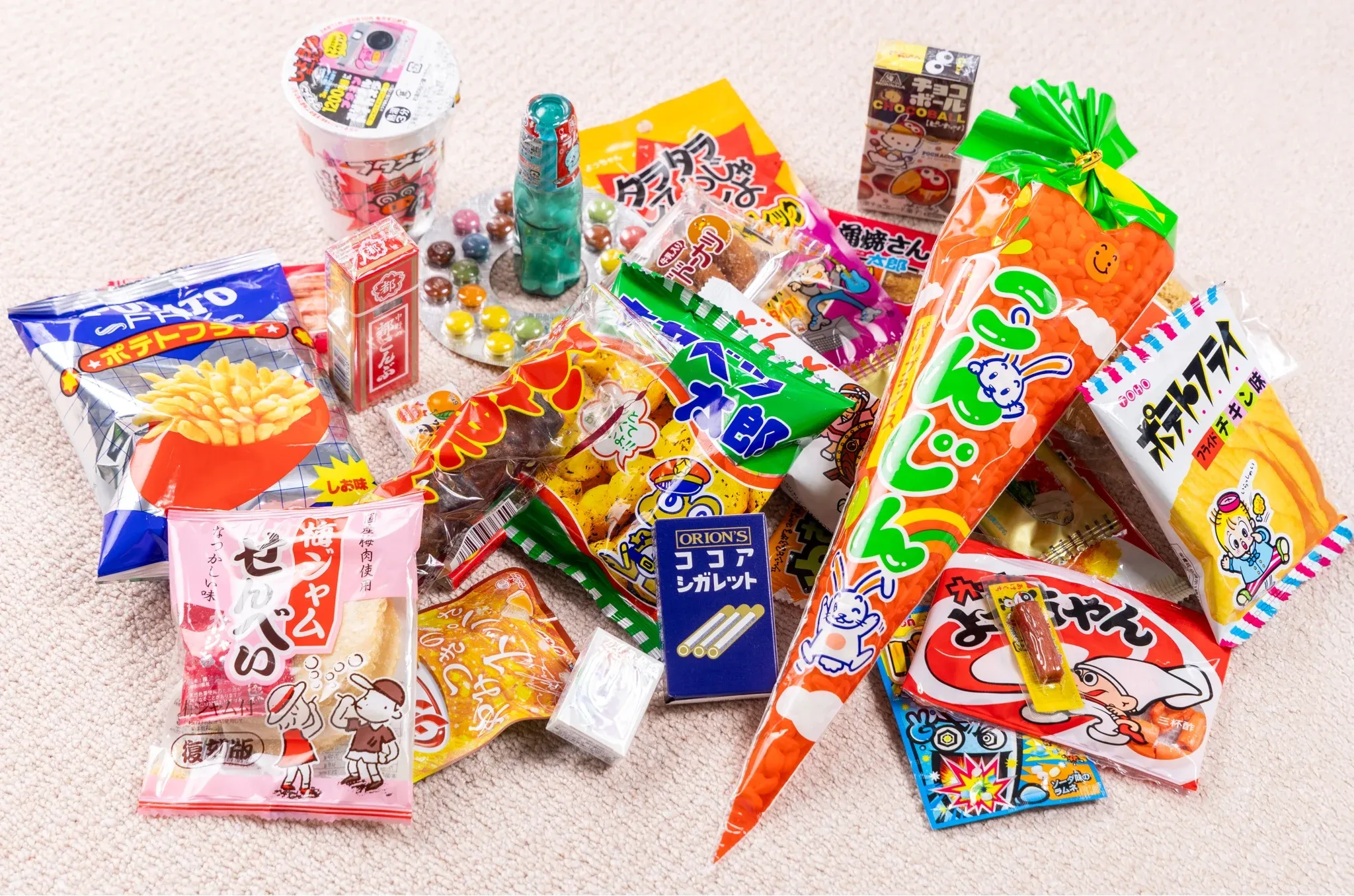
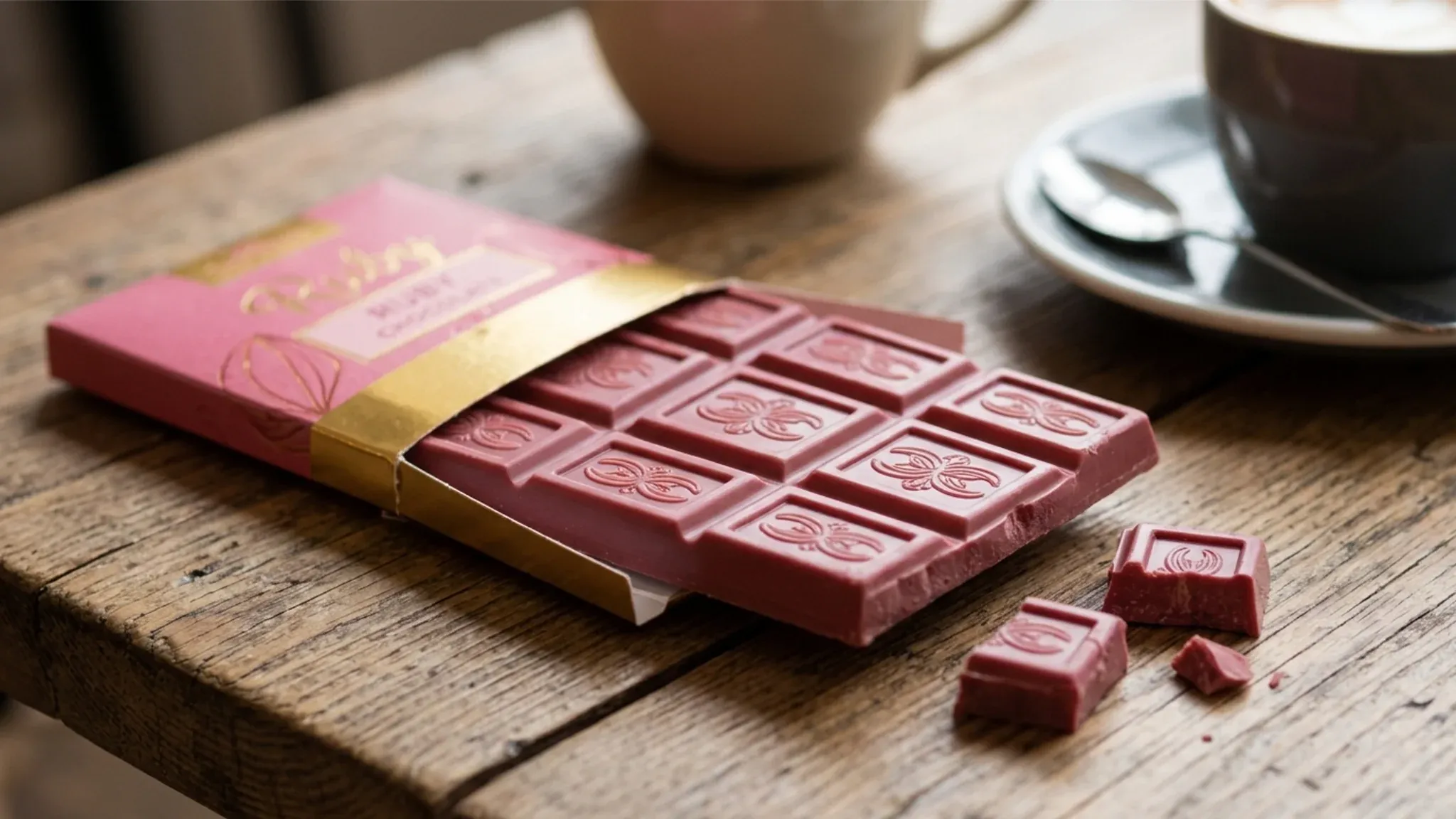
At the end of March, I found a sakura mochi chocolate in my local konbini. The pale pink wrapper sat neatly on a shelf right by the entrance. I reached for it without thinking. Walking to the register, a small thought surfaced: this might be the only time I get to buy it.
By April, another flavor will take its place on that shelf. Strawberry, maybe, or matcha. Either way, the sakura mochi chocolate will not come back. That is the deal with Japan’s limited-edition snacks, and you meet them just about anywhere you shop: the konbini, the supermarket, the department-store food hall, the station kiosk, the airport gift shop. Some stay for a season, others for barely a few weeks, and once the window closes they are gone, often for good. The thought made one little piece of chocolate feel strangely precious. There is something wonderfully mono no aware about it, the soft awareness that beautiful things do not last. Spring had barely arrived, and already this taste of it was slipping away. Knowing it would not stay made it feel all the more vivid, like the first warm afternoon before the cold returns.
These snacks seem to carry that same feeling everywhere you find them, but I meet most of them in the konbini. The moment the automatic door slides open with a cheerful chime, the white fluorescent light and the low hum of the freezers washing over me, I catch myself scanning the shelves from one end to the other. What is new today, I think. I never say it out loud, but the thought is always there.
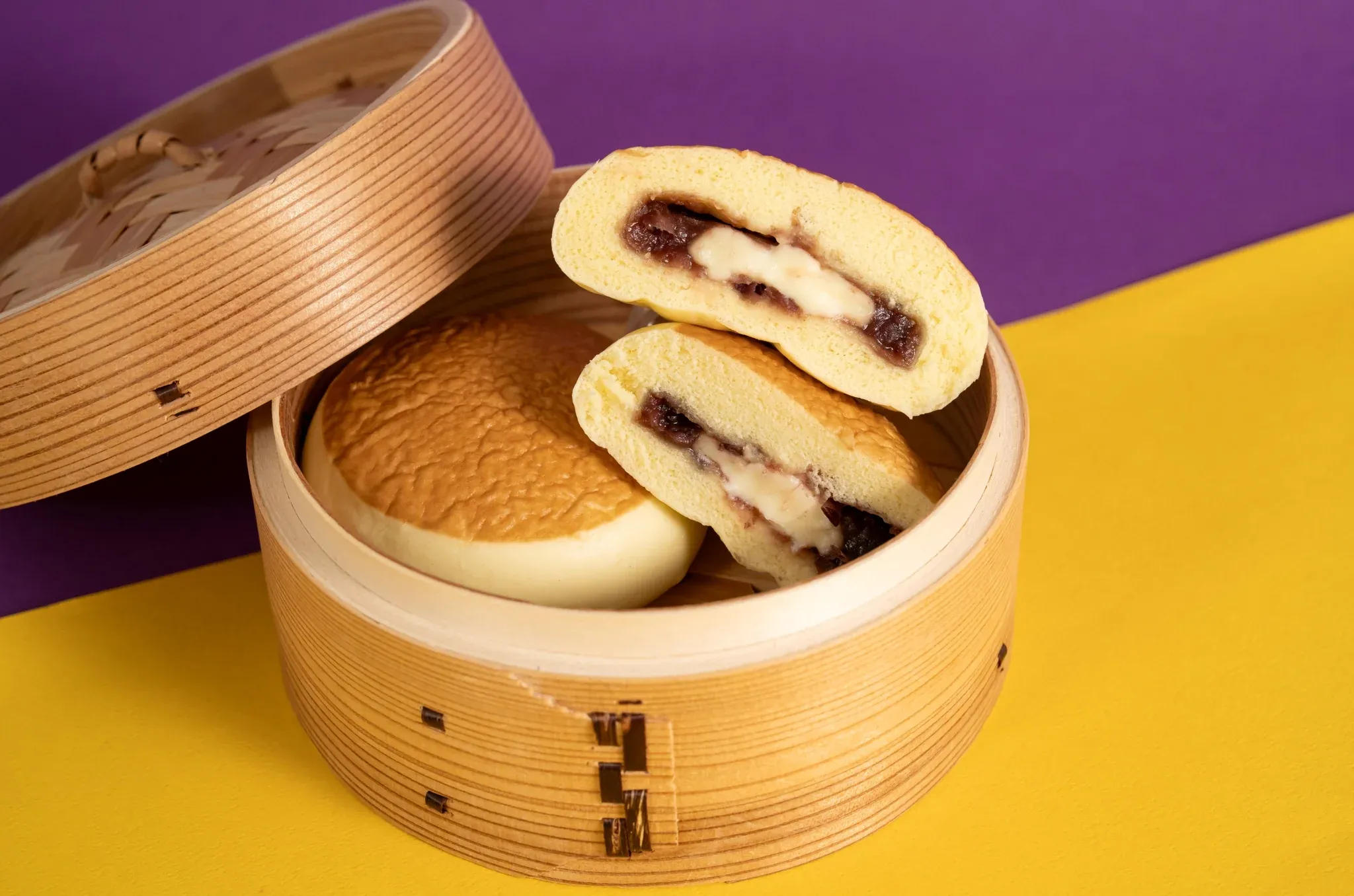
When autumn approaches, Yukimi Daifuku might release a chestnut flavor. Black Thunder might pull off something unhinged, like an extra-spicy chocolate bar that fuses the sweetness of cocoa with the destructive power of the world’s hottest chilli peppers. Its wrapper would be covered in the tiny warning labels you normally find on a bottle of laundry detergent, the kind that warn of imminent health danger if consumed. There might be a nikuman, a steamed pork bun, that exists for exactly one month and never returns. Such tiny expectations brighten the day in a way that feels out of all proportion to the size of the snack.
Traveling adds another layer to this joy. Japan’s regions each have their own flavor identity: Hokkaido has melon and butter, Osaka has takoyaki, Kyoto has matcha, Okinawa has brown sugar. Brands lean into these with a kind of affectionate pride, as if showing off their hometown.
When I choose omiyage, I instinctively reach for flavors tied to the place. Once, traveling through the Kansai region, I bought takoyaki-flavored Pretz, the thin, crunchy biscuit sticks made by Glico that Japanese kids and adults have been snacking on for decades. It felt like an edible postcard, silly and somehow exactly right at the same time. My friends laughed when I handed it over, then tore the bag open before the laughter had even settled. Regional snacks carry the personality of a place in a way no keychain or magnet ever could.
These local exclusives can feel like hidden treasures. Finding a Hokkaido-only melon chocolate at New Chitose Airport, I think, why does not everyone know about this? But thanks to social media, the secret seldom stays secret for long. Someone posts a photo of a Kyoto-only matcha cookie, and suddenly people across the country are asking friends to bring one back. The place name becomes part of the story, and scarcity becomes a nationwide conversation. It is omiyage culture turning into something new.
Collaborations push the excitement even further. FamilyMart joins forces with CoCo Ichibanya to release a curry nikuman. Yukimi Daifuku partners with Komeda Coffee for an ogura-toast-flavored daifuku: the coffee shop’s famous thick-cut toast, spread with sweet red-bean paste and a pat of melting butter, reimagined as chilled mochi. Black Thunder does tie-ins with anime and game franchises. Each one feels like a tiny cultural event that exists only for this moment.
Fan bases overlap, curiosity sparks, and the flavor shines for a brief, bright while before slipping away. Some are regional too, which makes them feel even more deliberate: a matcha collaboration in Kyoto, a melon one in Hokkaido. It is marketing, yes, but it is also storytelling.
People cannot help sharing these discoveries. Someone photographs their latest limited-edition haul and posts it online. Someone else brings a limited-edition sweet to work and watches colleagues gather around the wrapper. These snacks become small social moments, little sparks of delight that travel far beyond their packaging ever could.
The other day, after paying at the register, I stepped outside and put one sakura mochi chocolate in my mouth. The faint spring fragrance opened softly in the cold air. The rest still slept in the bag, still holding onto spring. As I tucked it away, I caught myself thinking: by next month, this will be gone.
This article was created with assistance from AI and edited by a human