Autumn in a Bottle: Kurand’s Touka Shimmers Like Falling Leaves
Kai·October 6, 2026

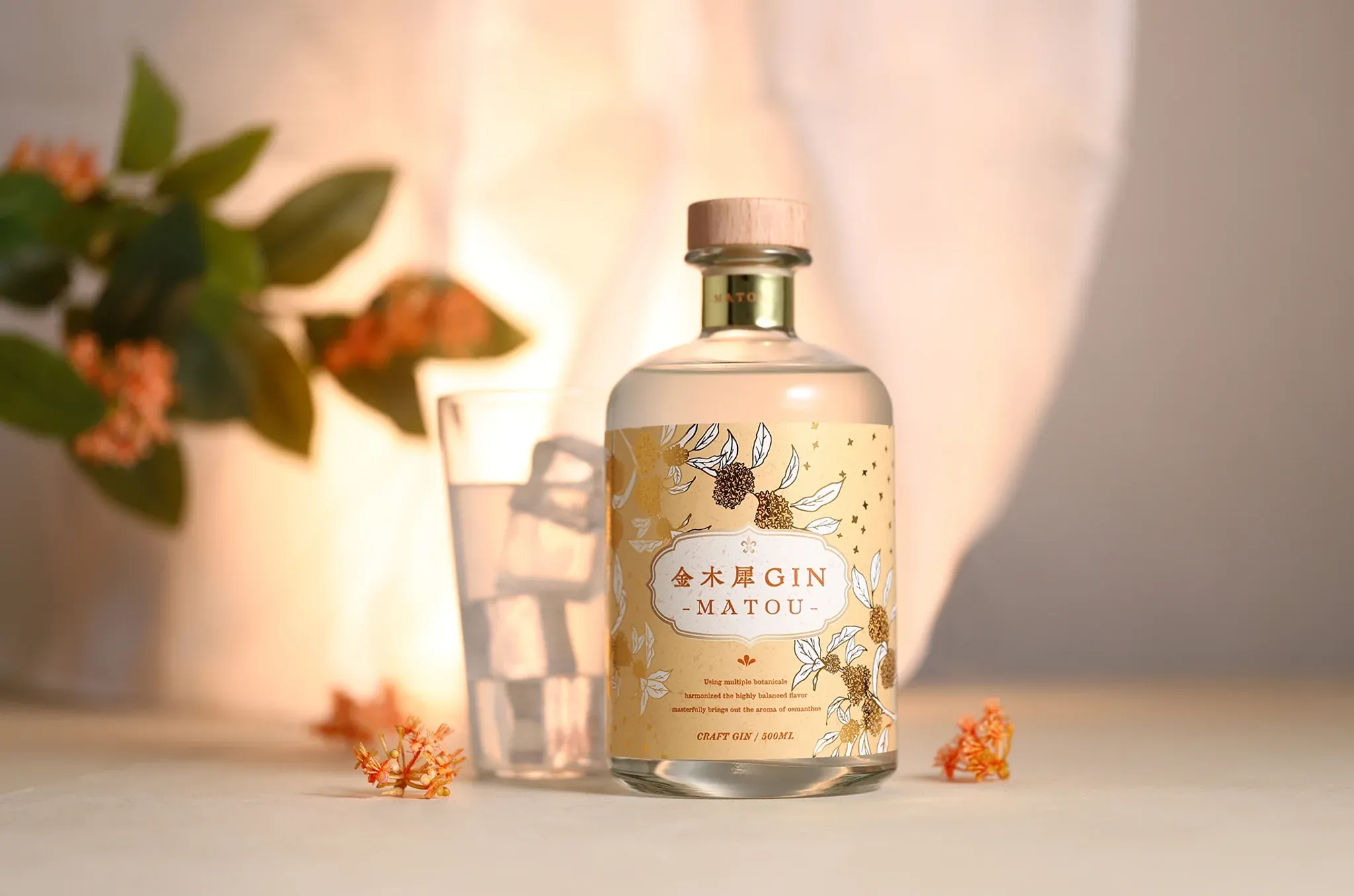
Kurand has a way of releasing bottles that feel like discoveries rather than simple seasonal drops. Last time, we covered their Kinmokusei Gin -MATOU-, a spirit built around hand‑picked kinmokusei blossoms. Now, Kurand is offering another limited creation, and the lottery is open until October 13 for a chance to bring it home. This time, the spotlight falls on a sake that captures the depth of autumn through both its flavor and its appearance.
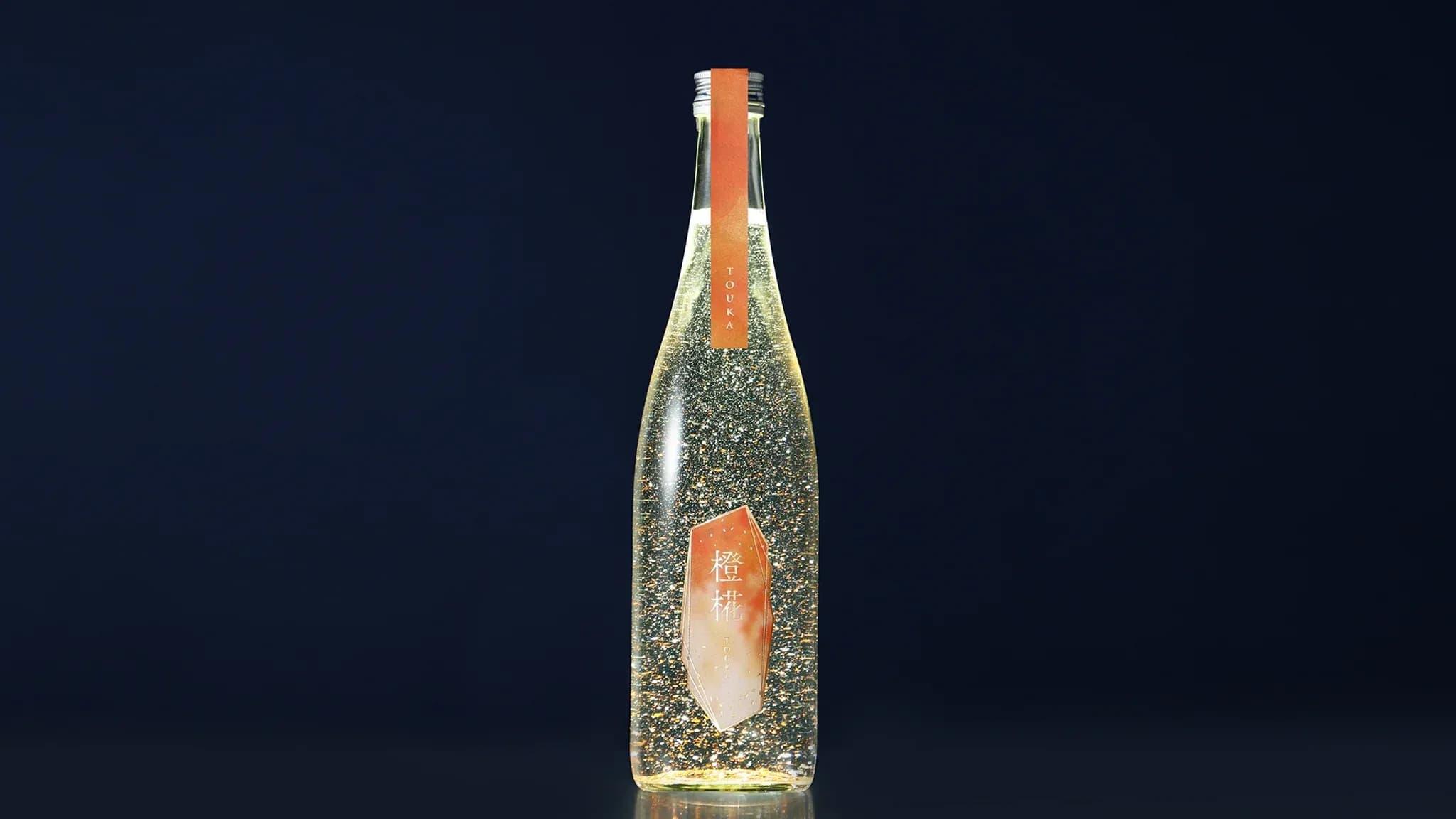
The new release is called Touka -TOUKA-, made from junmai daiginjo, a sake brewed from rice polished to half its original size and nothing more than water, koji, and yeast. Although the base is junmai daiginjo, it is classified as a liqueur under Japanese liquor tax law because of the foil added to the bottle. The style is known for its clarity and the way it brings out the natural depth of the rice. Inside the bottle, thin flakes of orange foil drift through the liquid like falling leaves. Kurand has explored celebratory sake before, including Kinga -KINGA- with its gold foil for the New Year season and Shirogane Zakura with its pink foil inspired by spring blossoms. Touka is the first autumn entry in this foil‑sake series, shaped around the idea that each season deserves its own expression of celebration.
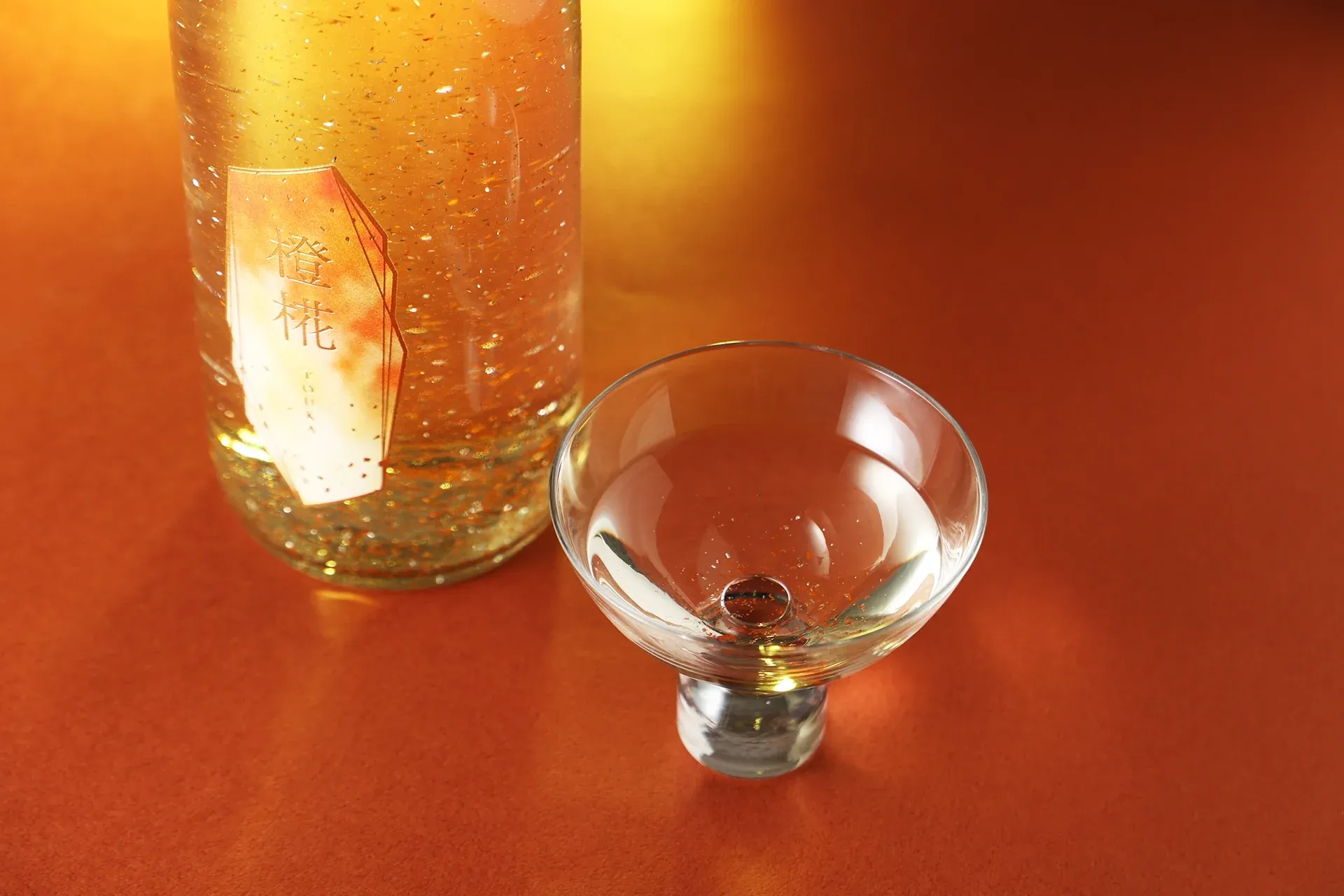
The concept began with a simple question inside Kurand’s development team. If spring has its moments of meeting and parting, then autumn does too. The team wondered whether a sake could express that feeling in a way that felt natural and rooted in the season. The answer came from looking back at Shirogane Zakura. If spring is sakura, autumn is kouyou, the turning of leaves into deep reds and golds. From that thought, the idea of orange foil floating inside a daiginjo took shape.
Once the visual concept was set, the team turned to the question of flavor. Kinga was built around fresh, newly pressed sake. Shirogane Zakura used a daiginjo that evoked the clarity of snowmelt. For Touka, the team wanted the opposite of freshness. They wanted depth. They wanted the kind of richness that arrives only after time has passed. That led them to a daiginjo that had been aged for about six months, a sake with a settled, satisfying weight that mirrors the feeling of autumn settling in. The sake is pasteurized only once (namazume), a choice that preserves both freshness and depth.
Production was entrusted to Gotou Shuzouten, a small but historic brewery in Takahata, Yamagata. Founded in 1788, the brewery has been operating for more than two centuries, relying on local rice and water to shape its style. For Touka, they chose Kame no O, a rare rice variety with a long history. It was discovered in the Meiji era by a farmer named Abe Kameji and later became the ancestor of well‑known varieties such as Koshihikari, Hitomebore, and Tsuyahime. Only a few breweries still use Kame no O, partly because it is difficult to grow and vulnerable to disease. Gotou Shuzouten has continued to use it for about twenty years, supported by a rice wholesaler who helps secure a stable supply.
Kame no O is known for developing strong umami when aged. Freshly pressed sake made from this rice can be good, but the flavor becomes far more expressive after months of rest. That made it a perfect match for Touka. The brewery blended two types of yeast to create a fragrant aroma, one chosen for its ability to produce expressive scents and the other for its strong fermentation power. The water used is drawn from a well fed by snowmelt from the mountains along the upper reaches of the Mogami River. It is naturally filtered underground and contains mineral levels between soft and hard water, a balance that helps umami develop clearly.
The final flavor leans slightly toward sweetness, with a full body reminiscent of a wine with weight. Kurand and the brewery tested multiple alcohol levels before settling on a profile that pairs easily with food. The brewery recommends enjoying it with autumn dishes such as matsutake, grilled Pacific saury, shiraae tofu salad, or simmered root vegetables, where the richness of the sake complements the warmth of the broth.
The most challenging part of production was the orange foil itself. Gotou Shuzouten has experience with gold foil, but colored foil behaves differently. Orange foil tends to stick together when warm, so the sake had to be kept cold during bottling. Temperature control became a delicate operation, requiring adjustments to the bottling schedule and careful handling to ensure the foil would float beautifully once sealed inside the bottle. Kurand and the brewery worked closely to refine the process until the foil moved through the sake with the gentle motion they envisioned.
Touka is designed for autumn nights, for gatherings, for moon viewing, and for the small celebrations that happen naturally as the season deepens. The bottle captures the feeling of leaves drifting through still air, and the sake inside carries the warmth and richness of a slow‑aged daiginjo made from a rare rice with a long history.
The sake has an alcohol content of 15 percent and comes in a 720 ml bottle. The rice is Yamagata‑grown Kame no O polished to 50 percent. The price is 6990 yen including tax. Because the foil can solidify at higher temperatures, the bottle should be kept refrigerated. Lottery applications are open from September 21 to October 13, with purchase notifications sent out sequentially from October 13 onward. Shipments begin in early November.
Kurand continues to create bottles that feel personal and expressive. Touka follows the same spirit of experimentation that shaped Kinmokusei Gin -MATOU-, yet it stands on its own as a sake built around patience, craftsmanship, and the colors of autumn. If the idea of an autumn celebration captured in a bottle speaks to you, this is a release worth entering the lottery for before it disappears again.
This article was created with assistance from AI and edited by a human