
Mystery: Old Books Are Vanishing From Japan’s Bookshelves
Kai·September 30, 2026
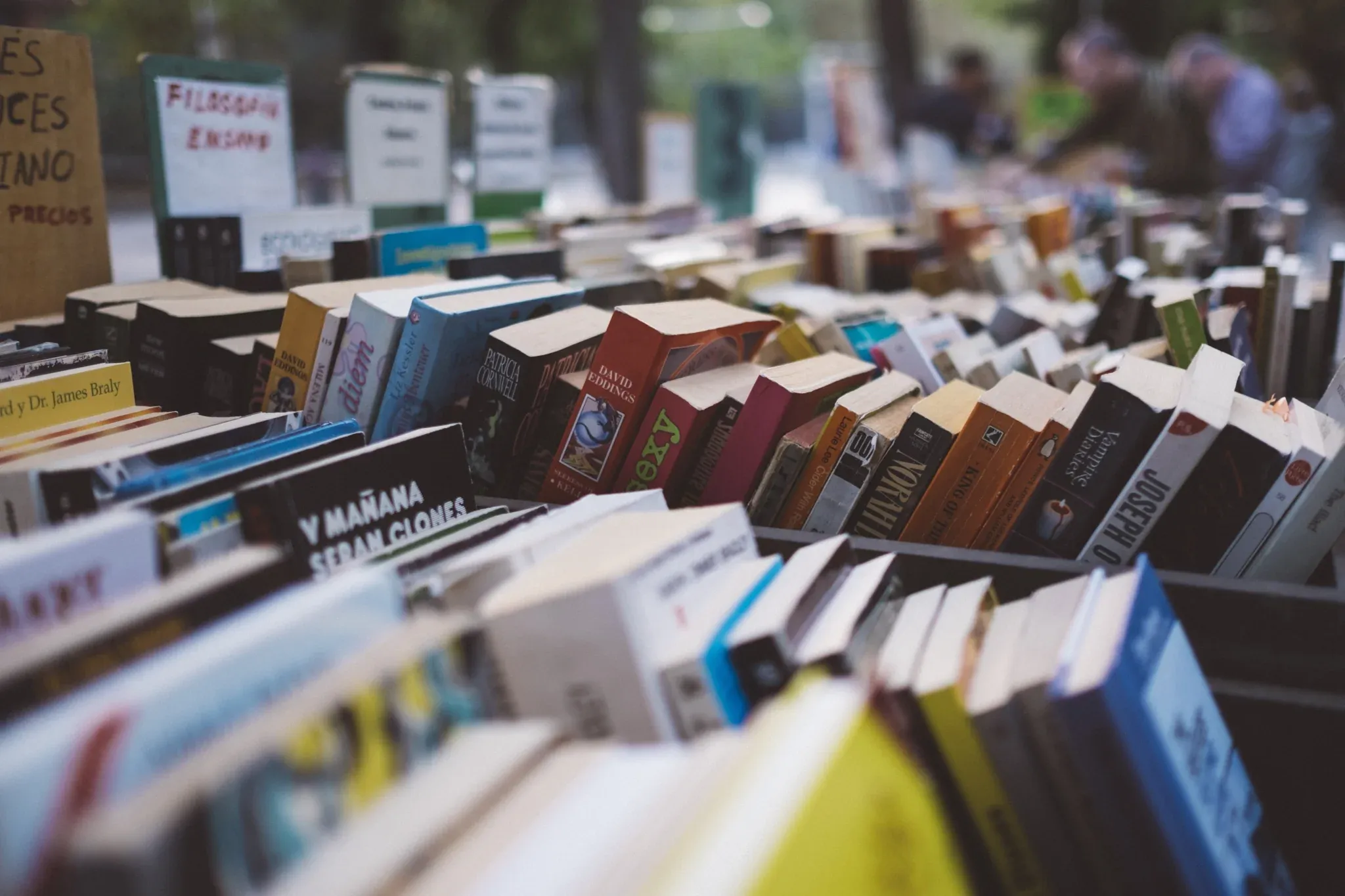
Across Japan’s used bookstores, something unusual has been happening, and it is not the typical moment when someone buys all the JoJo manga volumes at once. Owners have been receiving bulk orders at strange hours, often requesting anywhere from thirty to fifty non‑fiction books in a single order. Some stores say the number occasionally jumps to one hundred. The types of books vary widely, from philosophy and history to medicine, law, Edo‑period culture, and even old technical manuals that have not been relevant since the Windows 2000 era. There are no specific titles, no quirky customer notes, just a neat list of categories and a shipping address in Okayama.
The orders are large enough that some stores have had to clear out entire sections overnight. A shop in Koenji, a neighborhood in western Tokyo, said they packed so many boxes last week that the owner’s tape dispenser overheated. Another in Osaka admitted he had to borrow extra cardboard from the ramen shop next door, which led to an awkward moment when the ramen shop asked if he was finally moving out. We can picture the ramen shop owner standing there, ladle in hand, wondering why the bookstore suddenly looked busier than his kitchen.
The frequency of the orders has also raised eyebrows. Several stores report receiving these requests almost daily, with sales jumping to five times their usual volume. One owner said he normally sells around five books a day, but recently he has been selling thirty to fifty without any change in foot traffic. Another store said they had already shipped more than one thousand books to the same buyer cluster. From Okayama, many of the shipments are forwarded overseas, creating an export trail that stretches far beyond Japan. Export records show that around fifty tons of Japanese books have been shipped to the United States since last year, which is roughly one hundred thousand volumes. Similar bulk purchases have been reported in Europe and the United States, although these appear to be separate cases rather than part of the same buyer network.
Where the books go is the part everyone wonders about. They are delivered to a logistics center in Okayama, signed for, stacked, and then disappear deeper into the facility. According to reporting by Nippon TV (NNN), bulk purchases like these sometimes end up in data‑processing pipelines, where printed text is scanned and digitized for machine‑learning systems. Older printed books are valued because they contain human‑written text that has never been digitized. No one has confirmed that this is what is happening here, but the possibility is hard to ignore. One owner shrugged and said, “If a machine wants to read my old economics books, good luck to it.”
The situation has created a mix of reactions. Used bookstores are places built on slow browsing and accidental discoveries, so watching shelves empty in one sweep feels surreal for some owners. A few welcome the sudden revenue because running a furuhon‑ya, a used‑book shop, is a passion project rather than a guaranteed business model. Others feel uneasy watching carefully curated collections vanish into cardboard. Several owners said the whole thing feels like dealing with a customer who buys everything without saying a word, which is convenient and slightly unsettling at the same time.
There is also something interesting about the idea that thousands of printed pages, once flipped through by students, collectors, and bored salarymen waiting out the rain, might be heading toward a second life in a digital world. Whether they are destined for AI training or something more ordinary, the phenomenon highlights how Japan’s relationship with printed knowledge continues to evolve. Books have always traveled, usually from hand to hand, and now possibly from shelf to scanner.
A veteran shop owner in Koenji summed it up with a laugh as he sealed another box. “Forty‑two years in this business, and this is the first time I have had to tell customers that all our philosophy books were bought by someone we have never met. Maybe this is just the modern version of a book adventure.”
Whoever or whatever is buying up all these books, we hope they find good use for them, and we are glad local furuhon‑ya owners are enjoying a rare surge in sales.
Source: Nippon TV (NNN)
This article was created with assistance from AI and edited by a human